






Understanding the Impact of UK Horse Racing Not On
In recent times, the phrase “UK horse racing not on” has become increasingly significant for horse racing enthusiasts and bettors across the United Kingdom. This situation implies that specific racing events have been canceled or suspended due to various reasons, including adverse weather conditions, logistical issues, or even safety concerns. For those who follow horse racing closely, especially for betting purposes, understanding the implications of such occurrences is crucial. Moreover, online platforms still provide opportunities for wagering. For instance, UK horse racing not on GamStop horse racing betting sites not on GamStop offer alternatives for bettors seeking excitement even when live events are stalled.
The thrilling world of horse racing in the UK has long been admired for its spirited competitions, rich history, and vibrant culture. However, when the races are not taking place, it raises numerous questions among fans and bettors alike. What are the implications of not having races, and how can fans cope with this sudden shift?
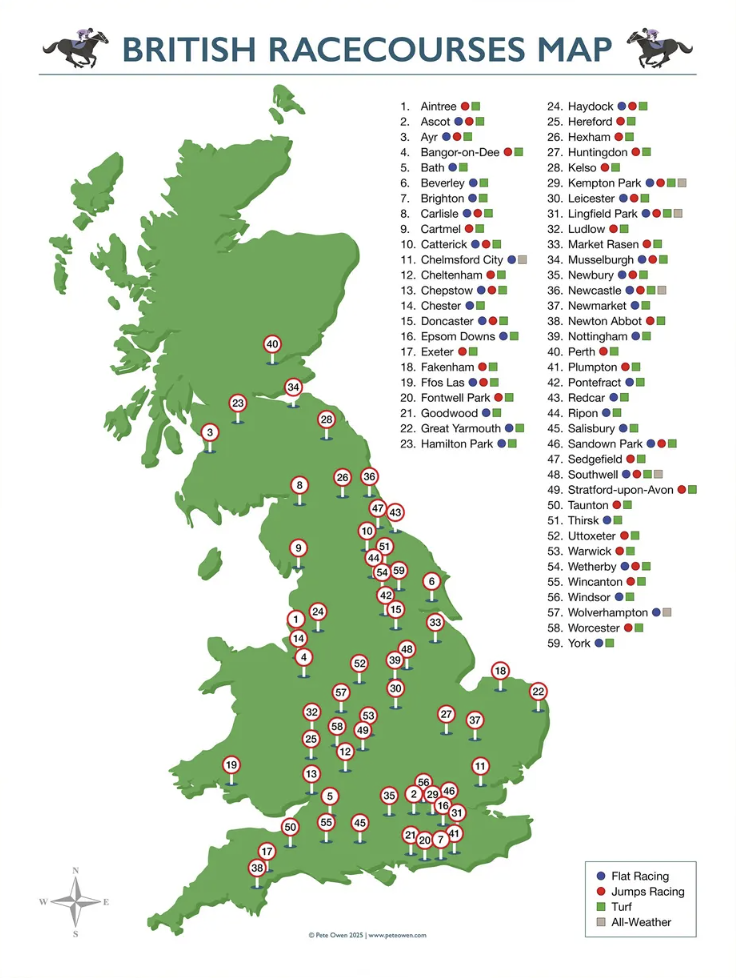
The Reasons Behind Racing Cancellations
Horse racing can be interrupted for a variety of reasons. Weather conditions are perhaps the most common factor affecting race schedules. Heavy rain, snow, or icy conditions can render racecourses unsafe for both horses and jockeys. For example, during the winter months, tracks may become waterlogged, leading to the cancellation of races to ensure safety. Other times, logistical challenges or regulatory requirements may compel race organizers to postpone events.
Furthermore, there are health and safety regulations that must be adhered to, particularly in light of recent pandemic experiences that have led to a significant restructuring of events. Horse racing, relies heavily on spectator engagement, and ensuring the safety of all involved—horses, jockeys, and fans alike—is paramount.
The Impact on Bettors
The cancellation of races can leave bettors feeling frustrated or disappointed, particularly if they have planned their schedules around specific events. For many, wagering on horse racing is not just a hobby but a passion. It brings thrill and excitement, and when events are not on, it can lead to a void in their betting routine.
Additionally, when horse racing events are not running, it can influence betting markets. Odds may fluctuate, and many betting platforms may adapt their offerings to provide alternative betting options. Bettors, therefore, need to stay informed and flexible in their approach.
Alternatives During Downtime
When UK horse racing events are not on, there are several alternatives that bettors can explore. Firstly, many horse racing websites provide virtual or simulated racing options. These races use advanced algorithms and random number generators to create outcomes that reflect real horse racing, allowing bettors to engage in wagering even when live events are not available.
Moreover, bettors can consider exploring other betting markets or sports. Betting on football, tennis, or other sports has garnered popularity and can offer exciting opportunities. The world of online betting is vast and diverse, presenting alternatives that can fill the gap when horse racing is not on.
The Role of Online Betting Sites
Online betting sites have transformed the betting experience by providing users with a plethora of options and features that make wagering easier and more accessible. These platforms often provide detailed insights, analysis, and even expert opinions, which can help bettors make informed decisions, especially when traditional racing events are not taking place.
During periods when physical races are suspended, many betting platforms will ensure that they continue to offer a range of promotions and bonuses to keep users engaged. This makes it crucial for bettors to stay connected to their favorite sites to capitalize on these opportunities.
Community Engagement and Informed Discussion
The horse racing community is robust, and engaging with fellow enthusiasts can often mitigate the frustration of canceled races. Online forums, social media groups, and dedicated horse racing websites often host discussions where bettors can share insights and experiences, discuss non-racing betting options, and keep the excitement alive even during downtime.
Moreover, engaging with the community can offer fresh perspectives on the next upcoming racing seasons or events. Such interactions can enhance the overall experience and knowledge of the sport while strengthening bonds with fellow fans.
Future of Horse Racing in the UK
While racing cancellations can be disheartening, they also prompt discussions about the future of horse racing in the UK. Safety standards will likely continue to evolve, and organizers might implement new technologies for real-time weather monitoring and safety assessments to minimize cancellations.
Moreover, with the ongoing advancements in the digital landscape, we may see an increase in virtual events or hybrid racing that combines live footage with enhanced digital engagement. Such innovations can cater to a broader audience and provide new betting possibilities, potentially creating a more resilient framework for horse racing in the UK.
Conclusion
In conclusion, while the phrase “UK horse racing not on” signifies a temporary halt in thrilling racing events, it also serves as a call for adaptability among bettors and fans. Exploring alternative betting options, engaging with local communities, and remaining informed about the dynamic landscape of horse racing can help enthusiasts navigate these challenges. As developments in the industry unfold, the future of horse racing remains promising, ensuring that the excitement and passion for the sport continue to thrive.